
dark frosted glass
The Importance of Equipment Vibration Pads in Industrial Settings In today's fast-paced industrial environment, maintaining equipment efficiency and reliability is paramount. One often-overlooked yet crucial component in achieving this is the use of equipment vibration pads. These pads play a significant role in reducing noise, minimizing wear and tear, and enhancing the overall performance of machinery. This article delves into the various aspects of equipment vibration pads, exploring their benefits, types, applications, and maintenance. Understanding Vibration and Its Impact Every piece of machinery generates vibrations during operation. These vibrations can be caused by factors such as imbalances, misalignments, and even external forces. While some vibration is normal, excessive or uncontrolled vibrations can lead to a range of issues, including equipment failure, increased maintenance costs, and employee discomfort. Vibration pads are designed to absorb and dampen these vibrations, thereby protecting both the equipment and the operating environment. Benefits of Vibration Pads 1. Reduction of Wear and Tear By minimizing the vibration transmitted to machinery, vibration pads help to extend the lifespan of equipment. This reduction in movement can significantly decrease mechanical wear, resulting in lower replacement and repair costs. 2. Improved Performance Equipment operating under optimal conditions tends to perform better. Vibration pads can help maintain these conditions by minimizing resonance, a phenomenon that can amplify damaging vibrations and lead to inefficiencies. 3. Noise Reduction Excessive vibrations often lead to increased noise levels. Vibration pads help dampen these vibrations, resulting in a quieter working environment. This is particularly important in settings where noise regulations must be adhered to, such as hospitals or residential areas near industrial sites. 4. Enhanced Safety Equipment that vibrates excessively can become a safety hazard. For instance, loose parts can fall off, creating risks for nearby workers. By stabilizing machinery, vibration pads contribute to a safer workplace. 5. Energy Efficiency Excessive vibrations can lead to energy losses due to inefficiencies within the machinery. Using vibration pads can help ensure that machines operate within their optimal vibration thresholds, leading to energy savings and improved sustainability. Types of Vibration Pads equipment vibration pads Vibration pads come in various materials and designs, each suited to specific types of equipment and operational scenarios. Common materials include rubber, neoprene, and cork, each offering unique properties in terms of durability and vibration absorption. 1. Rubber Pads Known for their durability and excellent vibration-dampening characteristics, rubber pads are often used in heavy machinery applications. They can withstand harsh conditions while providing effective isolation. 2. Neoprene Pads These pads are resistant to oil and chemicals, making them suitable for environments where such substances are present. They provide a balance between flexibility and stiffness, ensuring effective vibration control. 3. Cork Pads As a natural material, cork is an eco-friendly option that provides good shock absorption and sound-dampening qualities. These pads are often used in lighter equipment or in environments where aesthetics are a consideration. Applications of Vibration Pads Vibration pads are versatile and can be applied in a wide range of settings, including - Manufacturing Plants To stabilize heavy machinery such as mills, presses, and lathes. - HVAC Systems To minimize noise and vibrations from air conditioning units and compressors. - Transportation In vehicles, vibration pads can improve comfort and reduce strain on components. - Electronics Sensitive equipment, such as servers and sensitive instruments, benefits from vibration isolation to ensure accuracy and longevity. Maintenance Considerations To maximize the effectiveness of vibration pads, regular inspection and maintenance are essential. This includes checking for wear and tear, ensuring proper placement, and replacing pads that have degraded over time. Regular maintenance not only prolongs the life of the vibration pads themselves but also contributes to the overall health of the machinery. Conclusion In conclusion, equipment vibration pads are a critical aspect of industrial operations. Their ability to reduce noise and vibrations enhances the longevity and efficiency of machinery while also contributing to a safer and more pleasant working environment. By understanding the importance of these pads and selecting the appropriate type for specific applications, industries can significantly improve their operational reliability and effectiveness. Investing in quality vibration pads is not just a maintenance consideration; it is a step towards achieving operational excellence.
about
dark frosted glass
The Versatile Small Magnetic V Block A Fundamental Tool for Precision Work In the fields of machining, engineering, and metalworking, precision is paramount. One of the lesser-known yet invaluable tools aiding in achieving this precision is the small magnetic V block. This simple yet effective tool plays a crucial role in a variety of applications ranging from layout and inspection to milling and grinding operations. What is a Small Magnetic V Block? A small magnetic V block is a device that features a V-shaped groove and is equipped with a magnet, allowing it to securely hold cylindrical objects in place. The magnetic base provides a stable footing, ensuring that the block adheres firmly to metal surfaces during work processes. This design is particularly advantageous when dealing with round workpieces, such as shafts or rods, where traditional vises or clamps could prove cumbersome or ineffective. Key Features and Benefits 1. Stability and Security The magnetic base ensures that the V block remains firmly in place, reducing the risk of movement during machining processes. This stability is critical in maintaining alignment and achieving accurate measurements. 2. Versatility Small magnetic V blocks can accommodate a range of sizes and shapes, making them suitable for various applications, including milling, grinding, and inspection. They can hold workpieces in both horizontal and vertical orientations, further enhancing their utility in diverse operations. 3. Ease of Use The convenience of quickly attaching and detaching the small magnetic V block saves time in the workshop. This efficiency is particularly important in production environments, where minimizing downtime can lead to significant cost savings. 4. Portability Their compact size makes small magnetic V blocks easy to transport and store . This portability allows machinists and engineers to use them in different setups without having to invest in multiple specialized tools. small magnetic v block 5. Durability Typically made of hardened steel or other robust materials, these V blocks are designed to withstand the rigors of industrial environments. Their durability ensures a long lifespan, making them a cost-effective investment for professionals. Applications of the Small Magnetic V Block 1. Machining Operations In milling and grinding, small magnetic V blocks enable secure clamping of cylindrical parts. This precision is vital for tasks like creating flat surfaces or intricate profiles. 2. Inspection and Measurement For quality control purposes, the magnetic V block serves as a stable platform for inspecting workpieces. When used in conjunction with calipers and micrometers, it aids in accurately measuring the dimensions of components. 3. Welding and Fabrication In welding applications, magnetic V blocks assist in holding workpieces at precise angles, ensuring consistent and accurate welds. By keeping parts aligned, they contribute to the integrity of the final product. 4. Layout Work During the layout process, small magnetic V blocks provide a reliable means of holding workpieces in position while marking out dimensions and locations for cuts, holes, and other features. 5. Educational Purposes In educational settings, these tools are often used to teach students about precision measuring techniques and metalworking principles, providing hands-on experience with practical tools. Conclusion In summary, the small magnetic V block is an essential tool that facilitates precision in various machining, inspection, and fabrication processes. Its combination of stability, versatility, and ease of use makes it invaluable in industrial settings, educational institutions, and DIY workshops alike. As manufacturing processes continue to evolve, the role of such tools remains critical in achieving the high standards of accuracy and quality demanded in today’s competitive landscape. Investing in a small magnetic V block is not just about acquiring a tool; it’s about enhancing capabilities and achieving excellence in craftsmanship. Whether you are a seasoned professional or a budding enthusiast, incorporating a small magnetic V block into your toolkit can significantly improve your work quality and efficiency.
-

High quality industrial productsagement

High quality industrial products
View Details -

Meet the diverse needs of customers

Meet the diverse needs of customers
View Details -

Strict quality control

Strict quality control
View Details -

Top raw materials

Top raw materials
View Details -

Trusted supplier

Trusted supplier
View Details
Our application

news and information
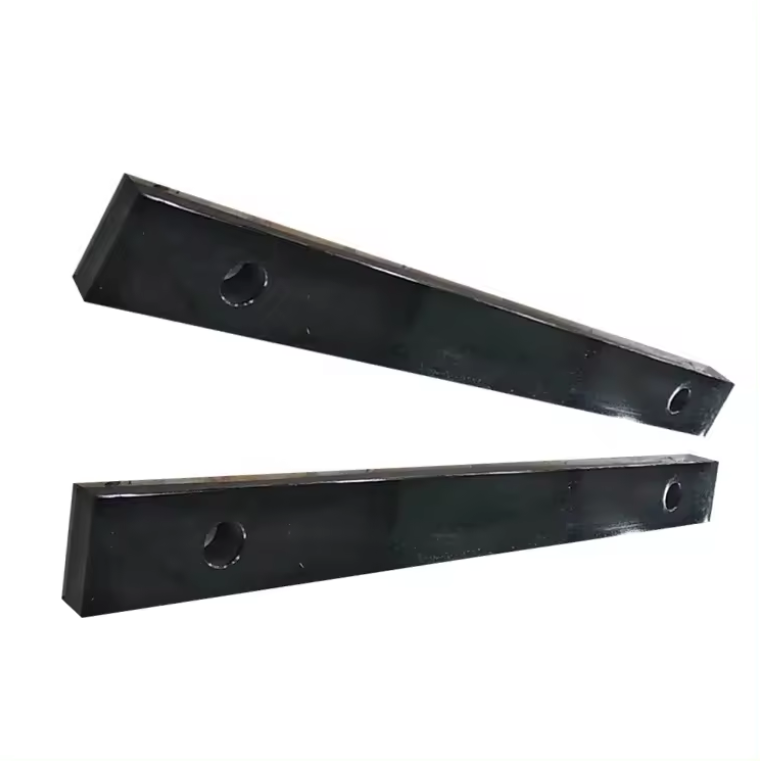
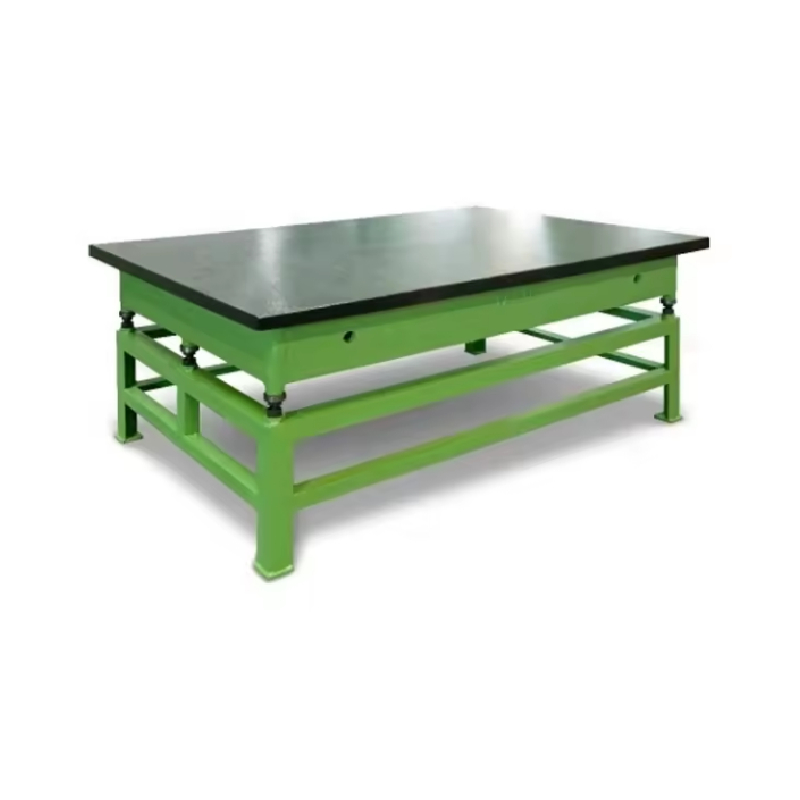
welding table heavy duty
Heavy Duty Welding Tables The Backbone of Metal Fabrication Welding is an essential process in metal
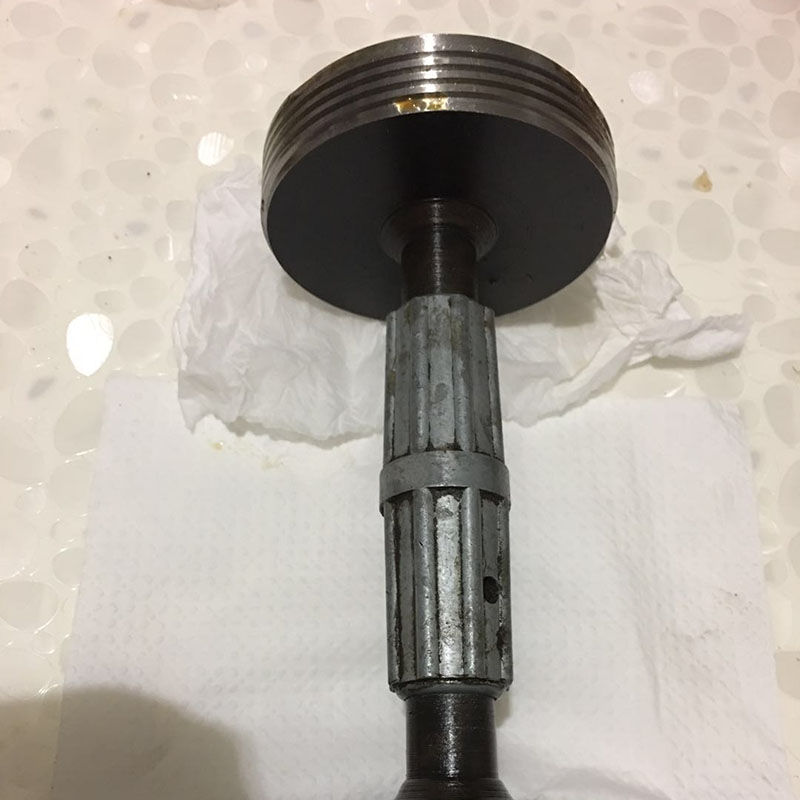
Welding Inspection Ruler for Accurate Joint Measurement and Quality Control
The Importance of Welding Inspection Rulers in Quality Control Welding is a critical process in nume
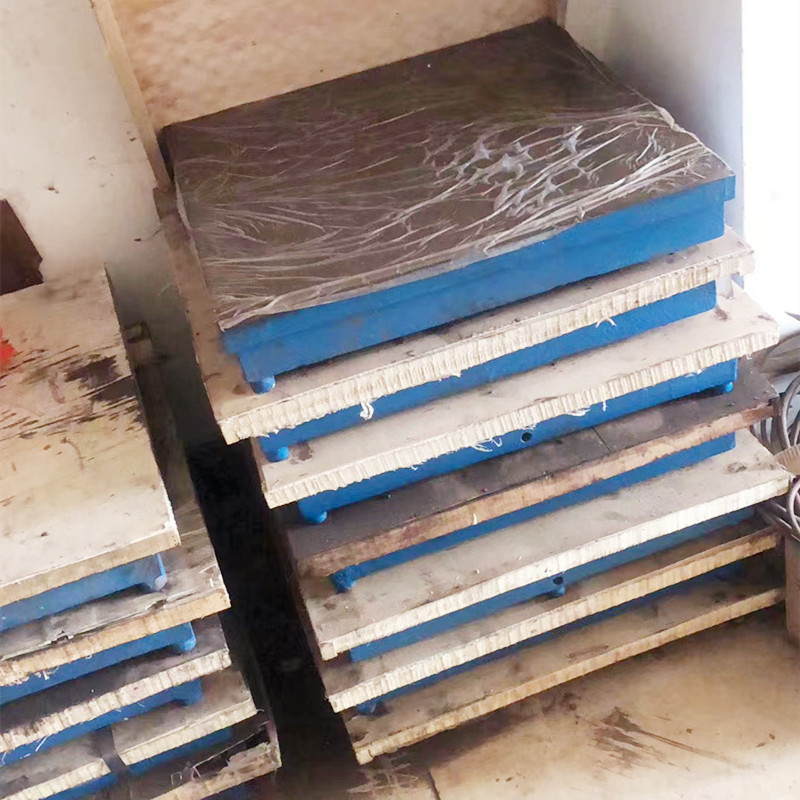
v بلوک
موضوع V-Block در دنیای پیچیده و پیشرفته فناوری اطلاعات، مفهوم V-Block به عنوان یکی از روشهای نوین د
 English